Our Place Values worksheets provide comprehensive practice with understanding digit positions and their values in numbers. These 43 worksheets cover essential skills from basic place value identification to complex multi-digit comparisons, helping students master this fundamental math concept through varied problem types and visual representations.
Students work with number lines and place value mats to build number sense. Worksheets include filling in missing values on number lines, reading place value mats, interpreting non-traditional number lines that don't start at zero, and marking values on open number lines within 20 and within 100. Aligned with second grade and general number sense standards.
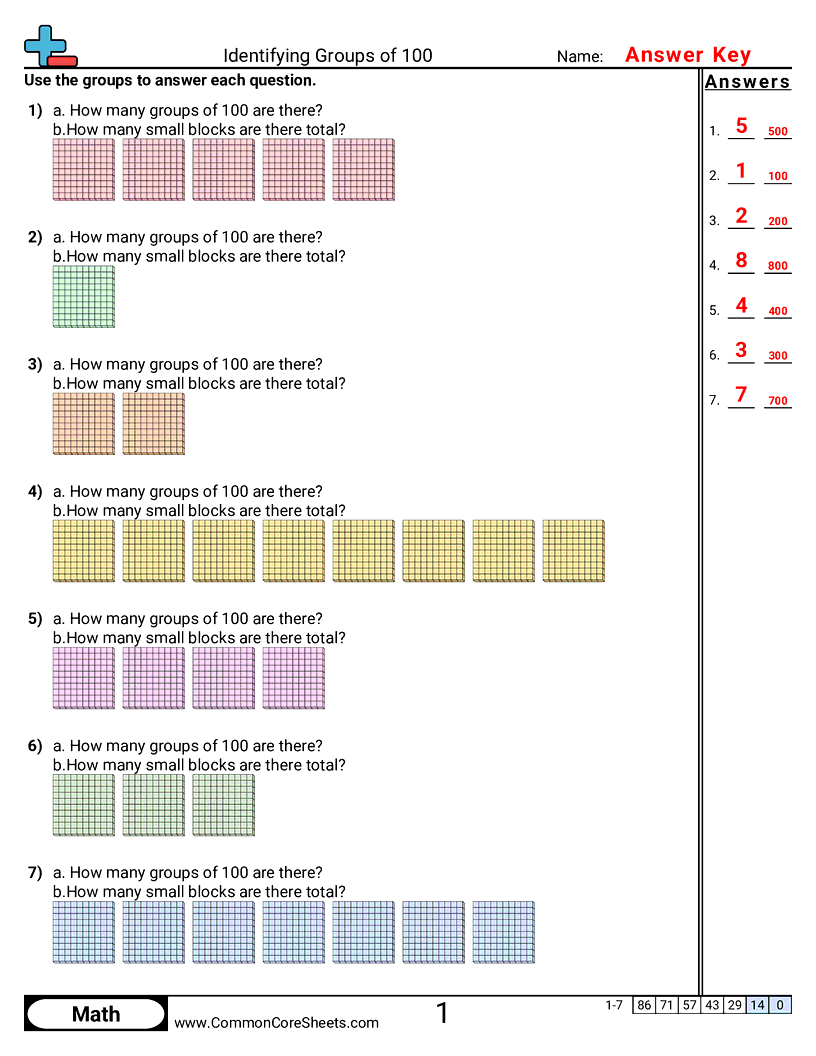
Students use base-ten blocks to build understanding of place value. Worksheets progress from identifying values with tens and ones blocks, to working with hundreds blocks, creating and identifying groups of 100, and determining values shown by blocks up to 1,000 and beyond. These concrete visual models make abstract place value concepts tangible for first and second graders.
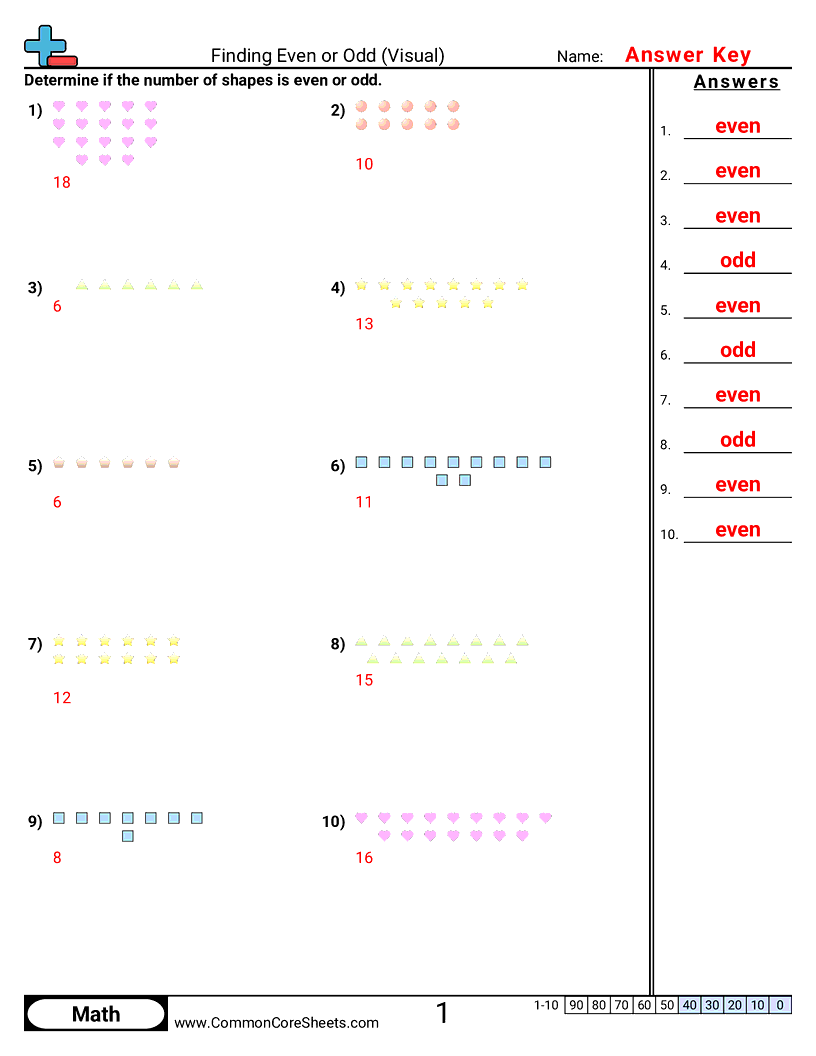
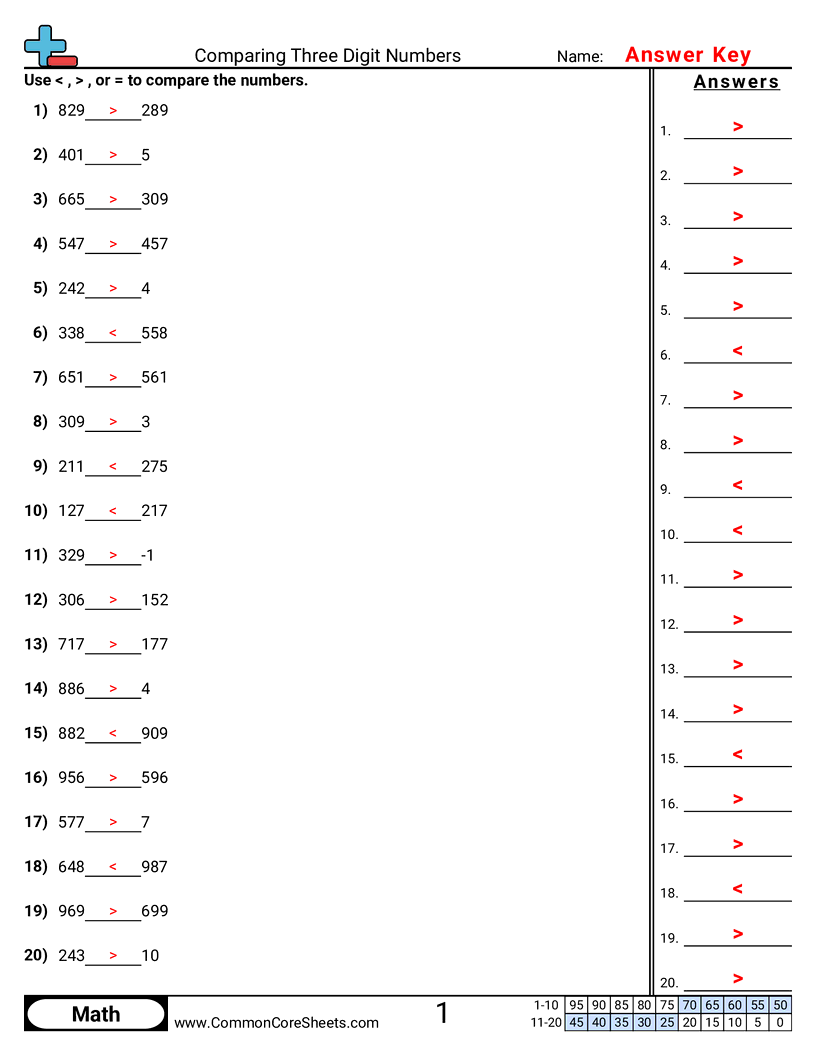
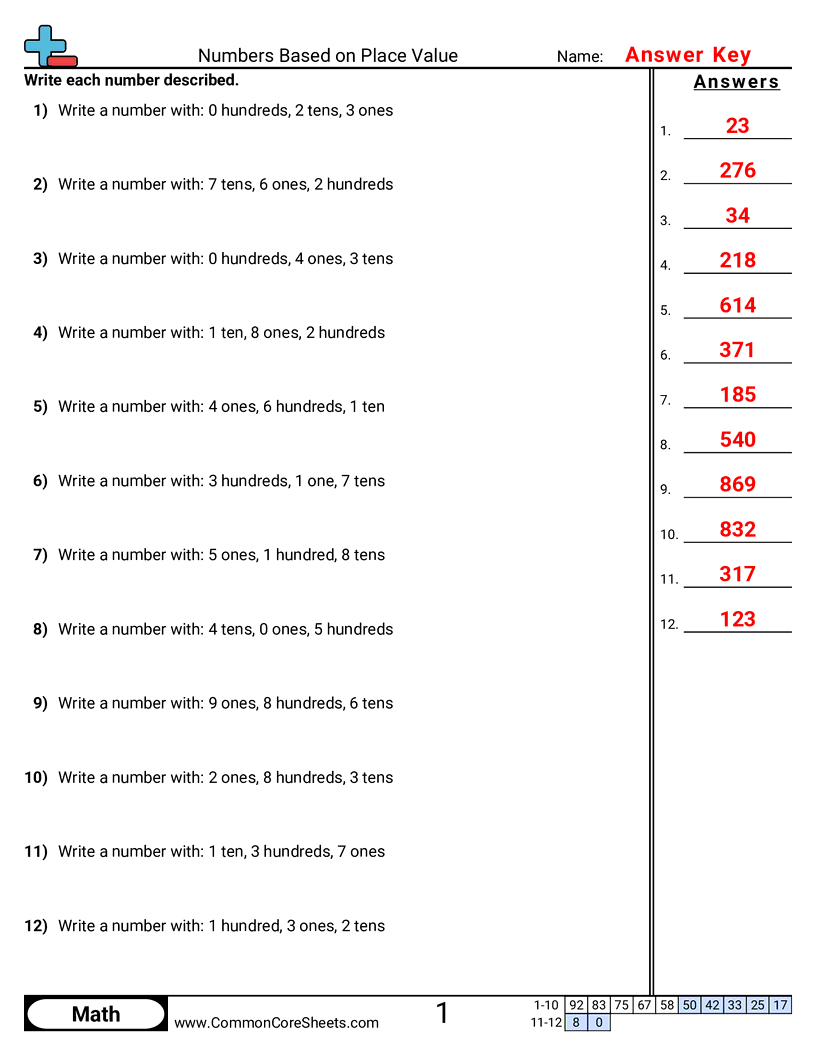
These worksheets develop number comparison and identification skills across grade levels. Activities include finding more and less, comparing two- and three-digit numbers and numbers within one million using inequality symbols, identifying even and odd numbers visually, creating even equations, building numbers from place value descriptions, using place value for multiplication and division, identifying integers, comparing relative size with addition and subtraction, and evaluating number sentences. Resources span first through fourth grade and beyond.