4md1×Description:
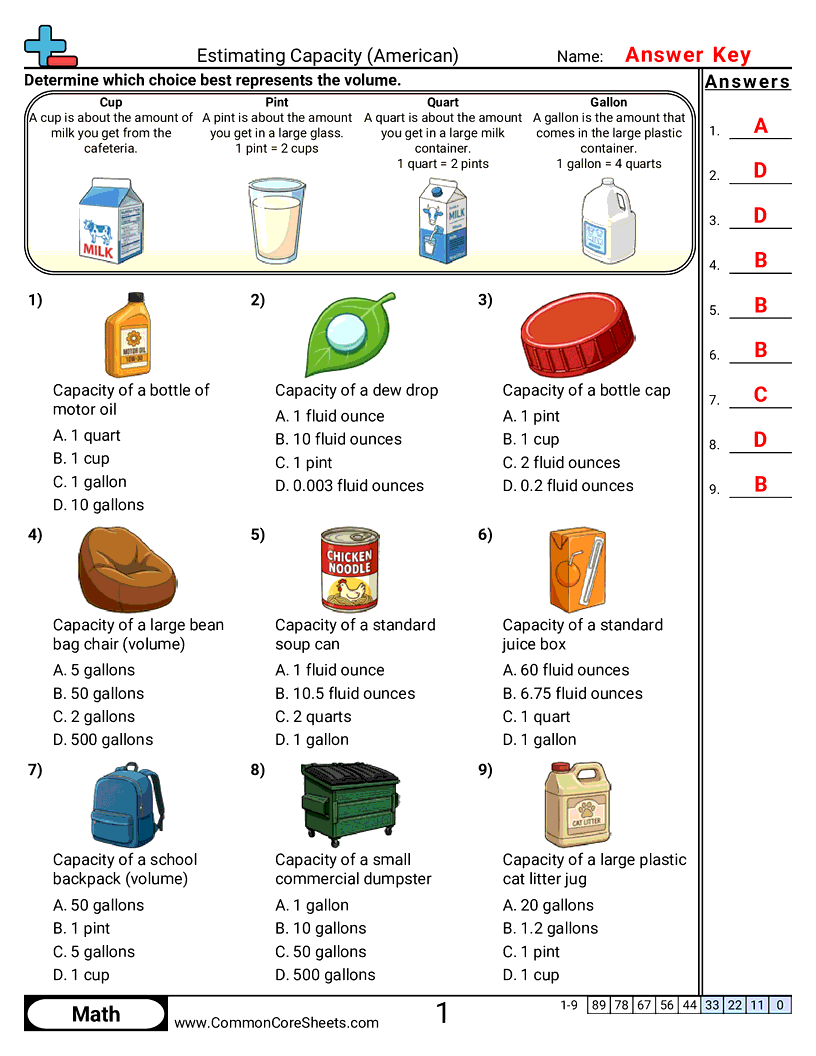
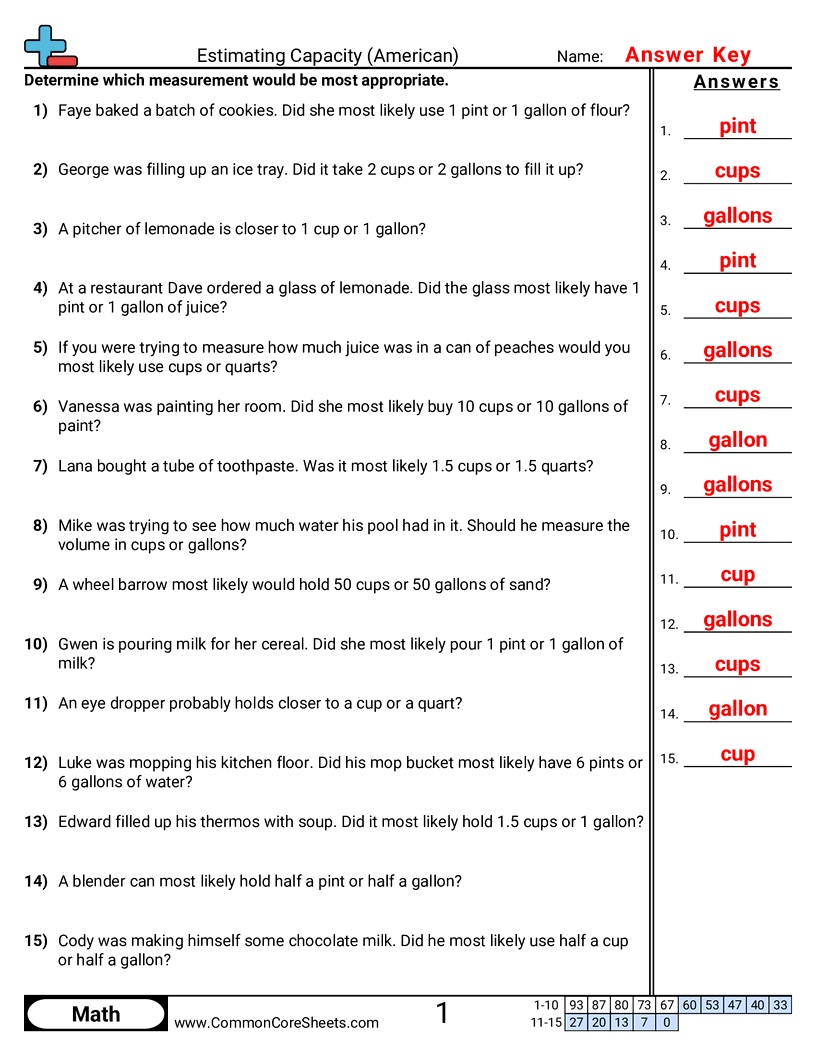
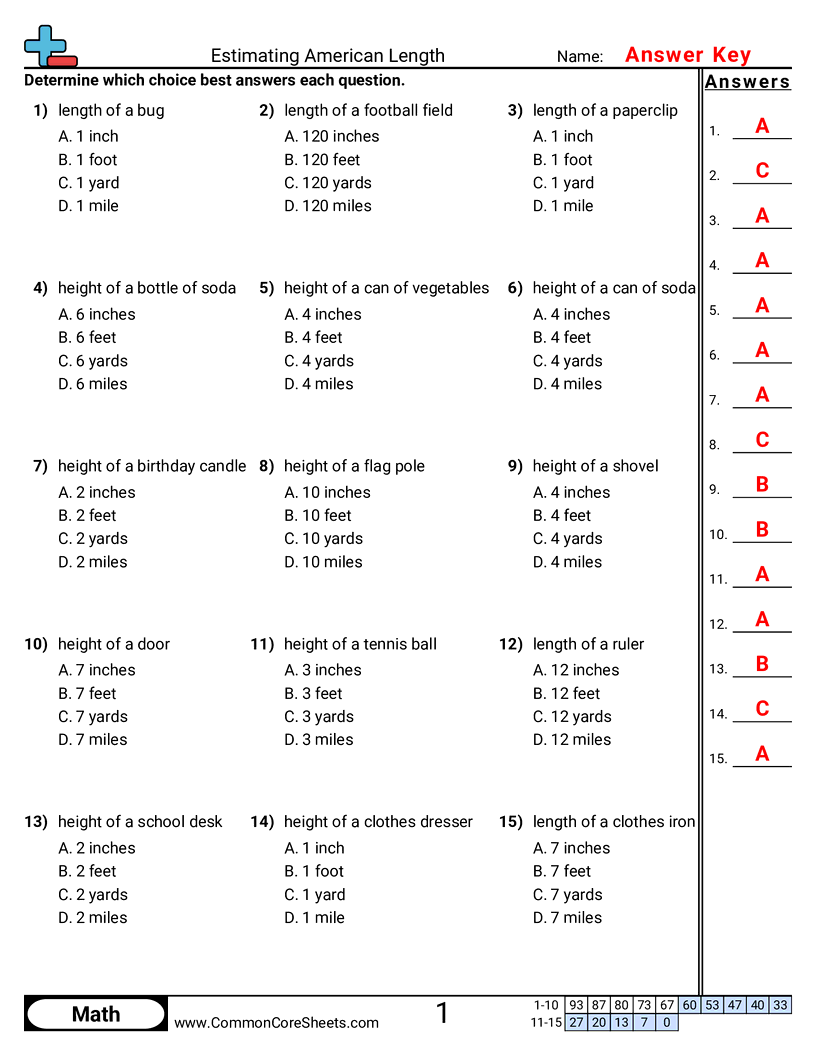
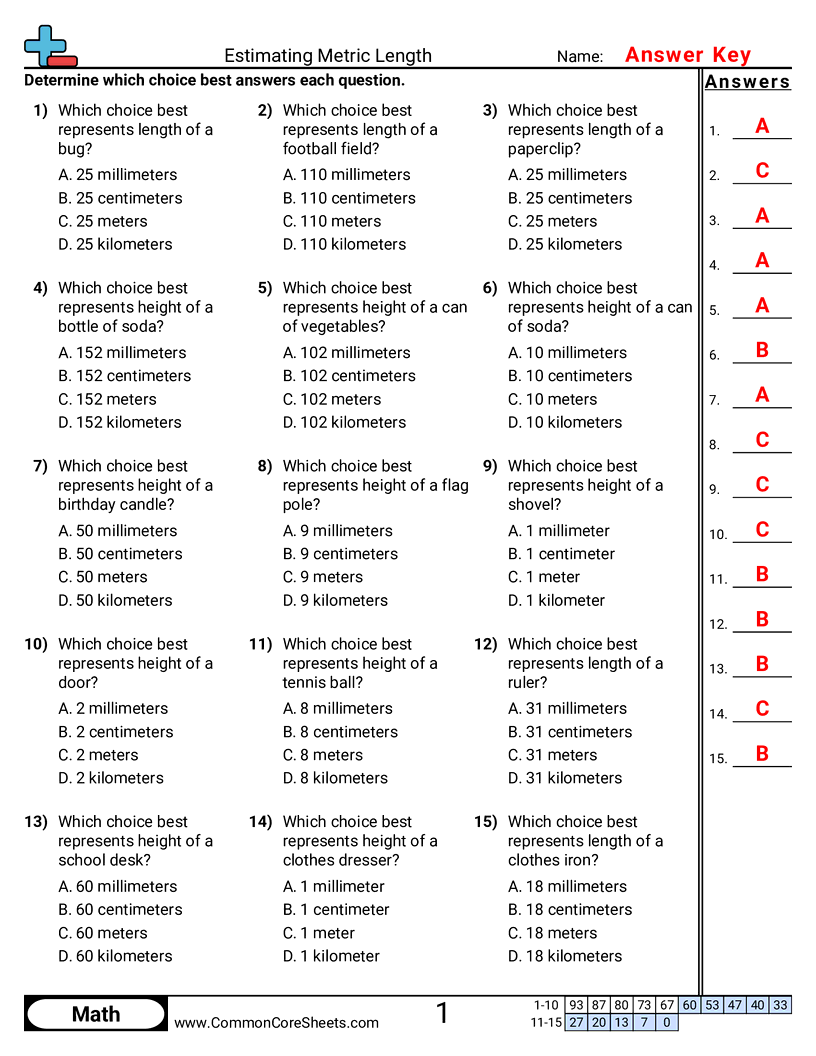
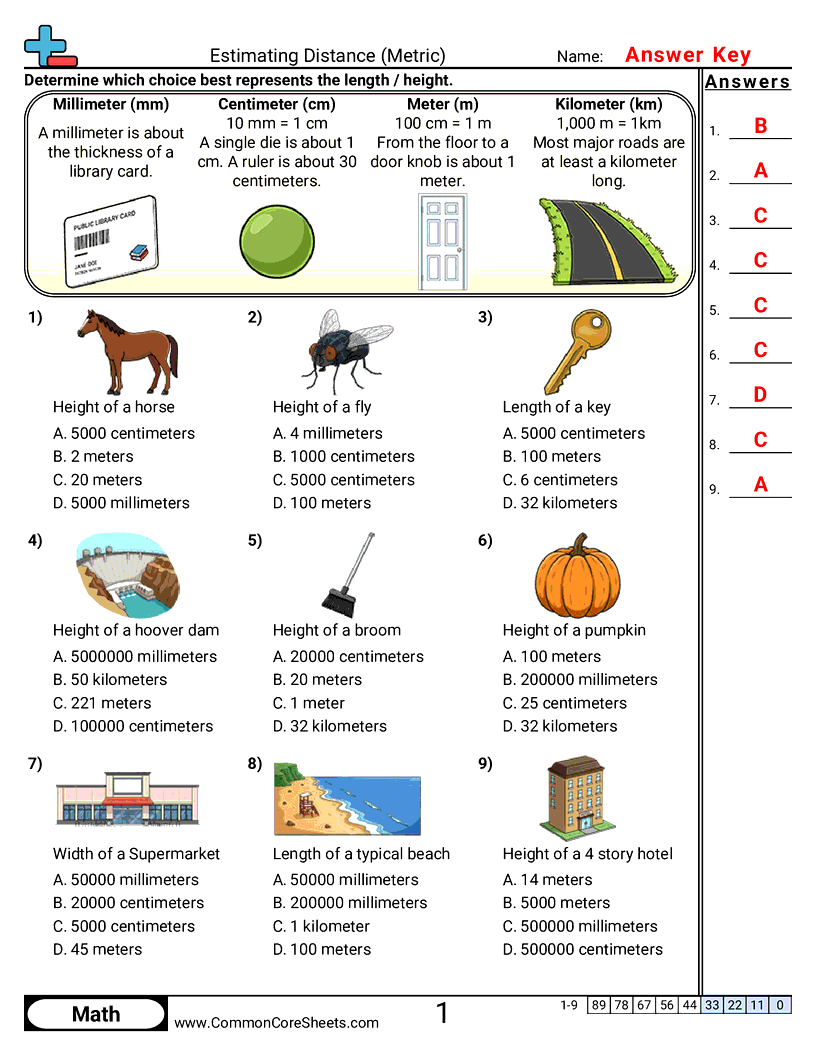
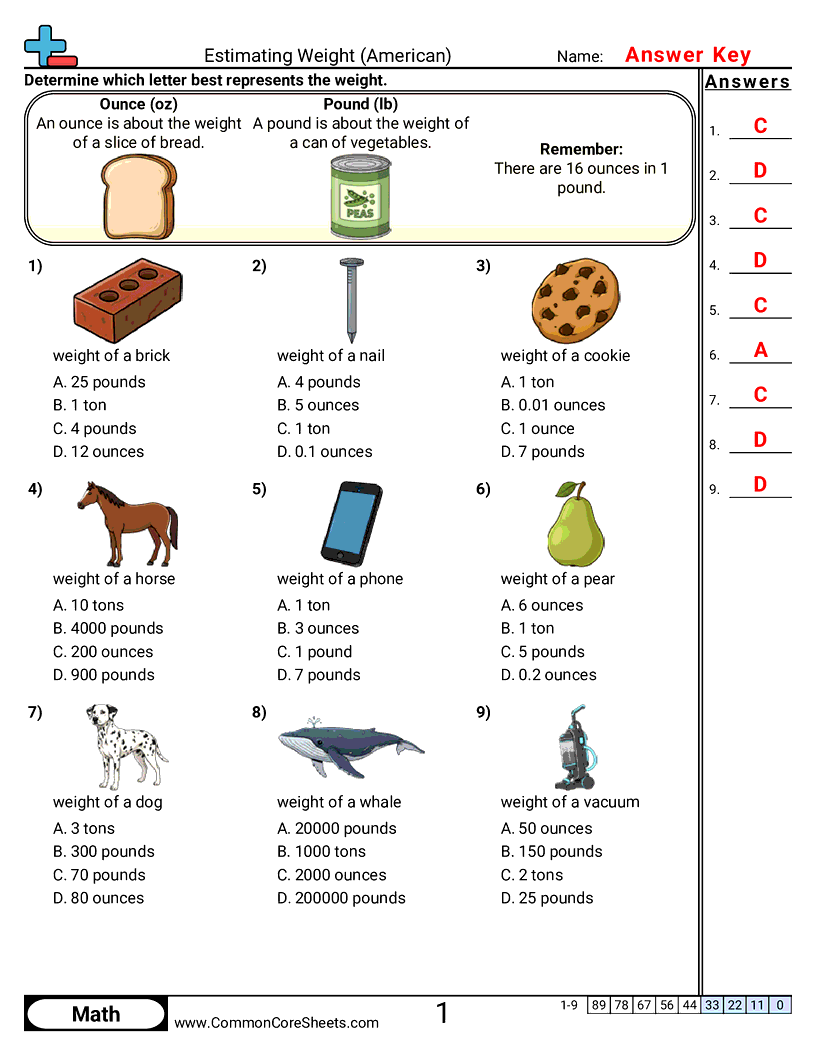
"This worksheet is designed to improve children's estimation of distances in a fun and interactive manner. Covering a wide range of objects, from skateboards to frogs, the activities engage learners through nine diverse math problems. Customizable to different learning needs, this worksheet can be converted into flash cards or suitably adapted for distance learning, ensuring flexibility in teaching methods while solidifying essential mathematical concepts."
×Student Goals: Understanding of MeasurementsUpon completion of the 'Estimating Distance' worksheet, students should have a developed understanding of the various units of measurement used in the American system. These include inches, feet, yards, and miles, and students will become familiar with their relative lengths and everyday uses.Estimation SkillsThe worksheet is designed to improve the practical estimation skills of students. Faced with objects and distances of various sizes, students should learn how to make quick yet accurate approximate evaluations of distances and sizes using known benchmarks. Thus, sharpening their mental estimation skills.Real-World ApplicationsAfter completing this worksheet, learners should have a clearer understanding of how these units of measurement are applied in real-world contexts. By relating commonly known objects in their estimation exercises, students gain insights into real-world applications of measurements.Critical ThinkingStudents will also enhance their critical thinking skills through the course of completing the worksheet. With every problem, students are required to consider the size and scale of the objects and distances involved, and to select the most appropriate unit of measurement. This encourages concept analysis and strategic thinking.Confidence BuildingFinally, successfully completing the worksheet should boost the students' confidence in their mathematical abilities. Not only will they have a stronger grasp of American measurement units, but they will also have refined their estimation and reasoning abilities. This increased confidence can inspire a more positive attitude towards learning math and related subjects.